Services / CNC Machining

CNC Machining

3 and 4-axis CNC milling and 5-axis CNC turning, supporting single prototypes and repeat production runs.

Overview

CNC milling and turning in the Fraser Valley
Our shop in Chilliwack started as an Aerospace R&D facility and has now grown to offering CNC machining to all kinds of industries and companies across Canada. We are setup for 5-axis CNC mill-turning, 3 & 4-axis CNC vertical milling, and standard CNC turning.

We take on single prototypes through to full production runs, and we'll tell you which approach gets your part made most efficiently. Whatever the shape, the volume, or the complexity, send it over and we'll find a way to cut it.

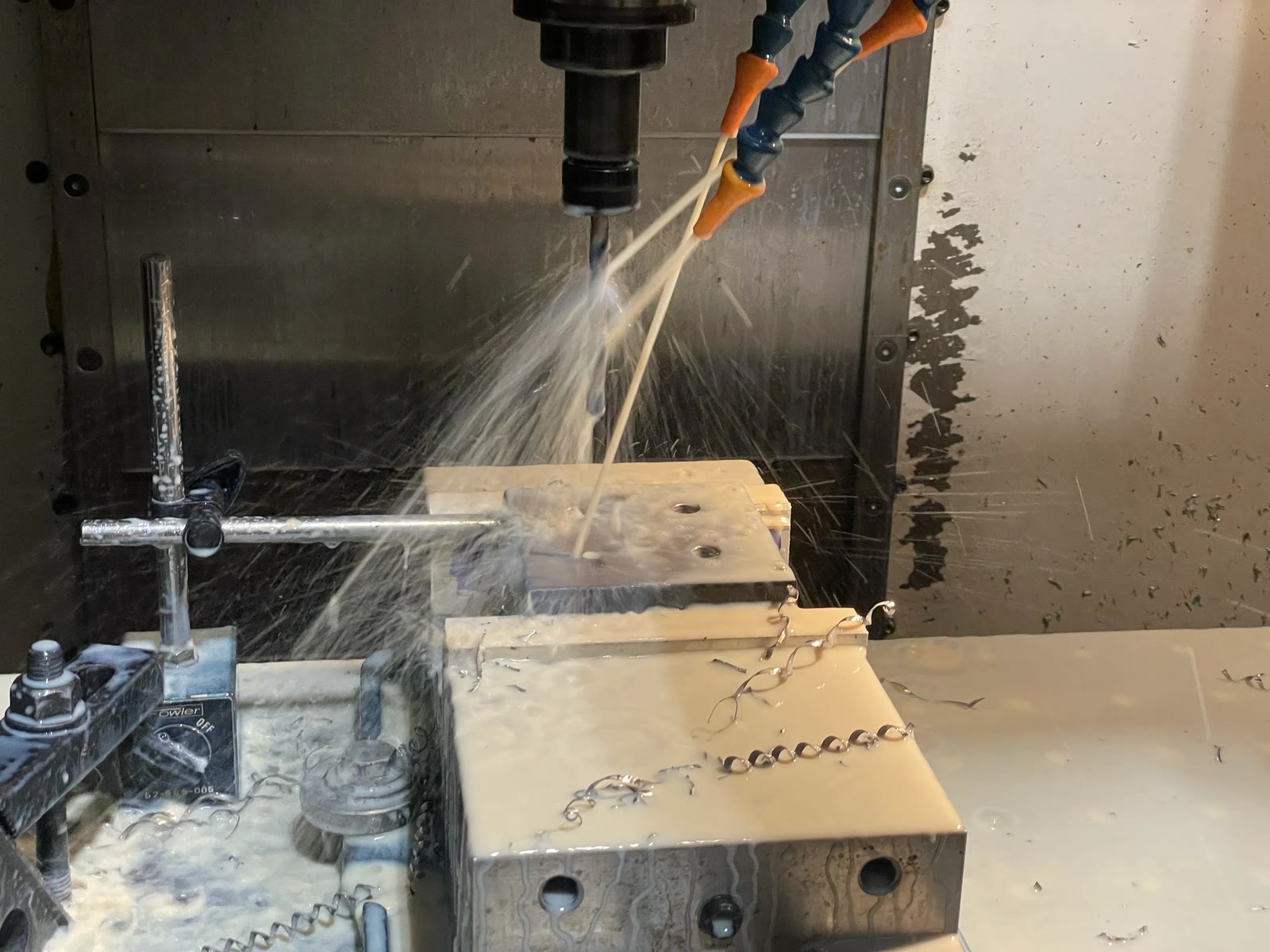
Thread milling operation on a CNC machining centre
Capability

CNC Milling

Vertical machining with 3-axis and 4-axis capability.

Milling work envelope A milled block clamped in a vise on a T-slot table, with the spindle above it and a dashed box around the work area showing the maximum part size of 30 inches in X, 30 inches in Y, and 16 inches in Z. Move the mouse over the drawing to rotate it.

Dimensions are in INCHES.

  • Face and profile milling
  • Pocketing and slotting
  • Drilling and tapping, common sizes stocked
  • Counterboring and countersinking
  • Thread milling

CNC Turning

5-axis live tool mill-turning and standard 2-axis turning.

Turning capacity A stepped part held in a three-jaw lathe chuck, with a dashed cylinder around it showing the maximum capacity of 14 inches swing over bed by 30 inches between centers. Move the mouse over the drawing to rotate it.

Dimensions are in INCHES.

  • Turning and facing
  • Boring
  • Grooving and parting
  • Single-point threading
  • Tapers and radii
CNC VMC
Haas VF-0E
CNC MILL-TURN
Hitachi/Mori Seiki CH250
CNC TURNING
Fanuc Conversion
Materials

What We Cut

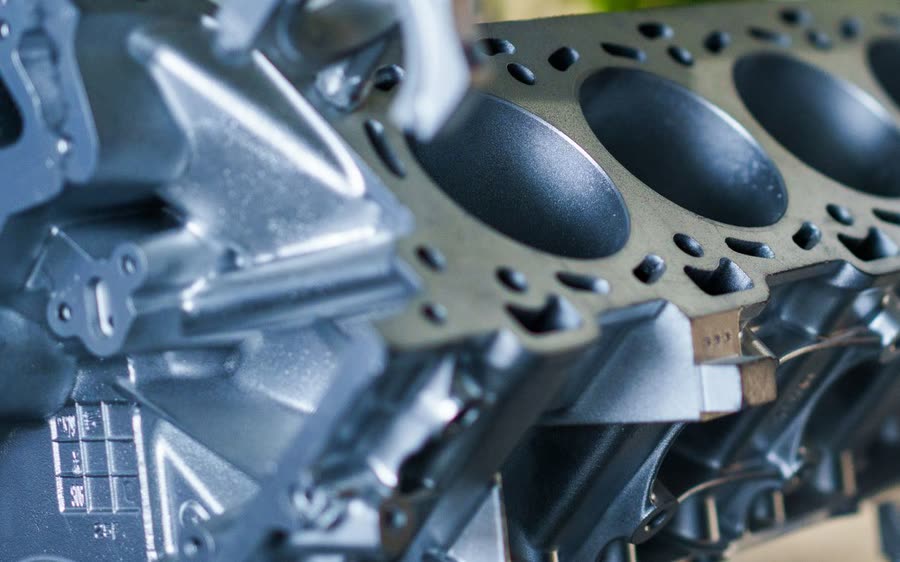
Machined deck face and cylinder bores of a cast aluminum engine block

Aluminum

The default for brackets, enclosures, and anything where weight matters.
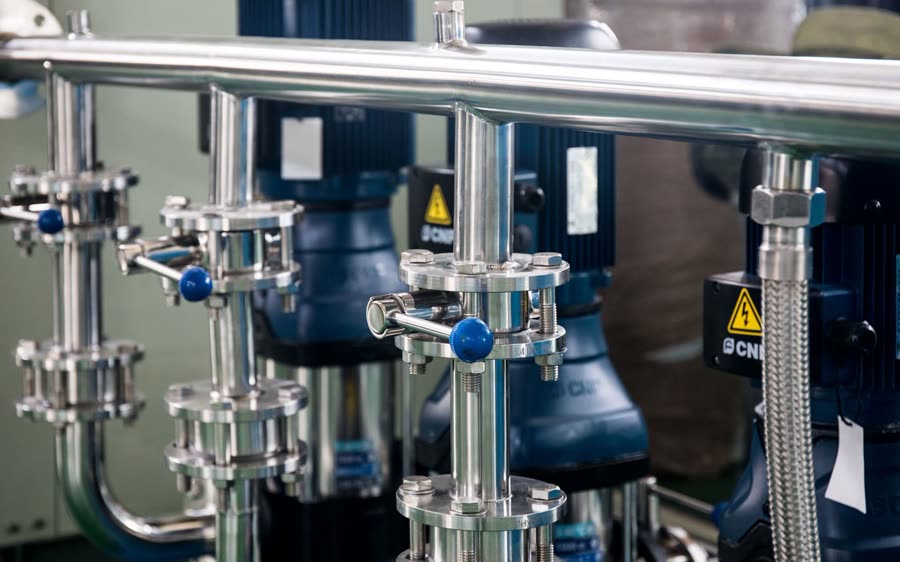
Polished stainless steel piping and valves

Stainless Steel

Where corrosion or strength drives the design.
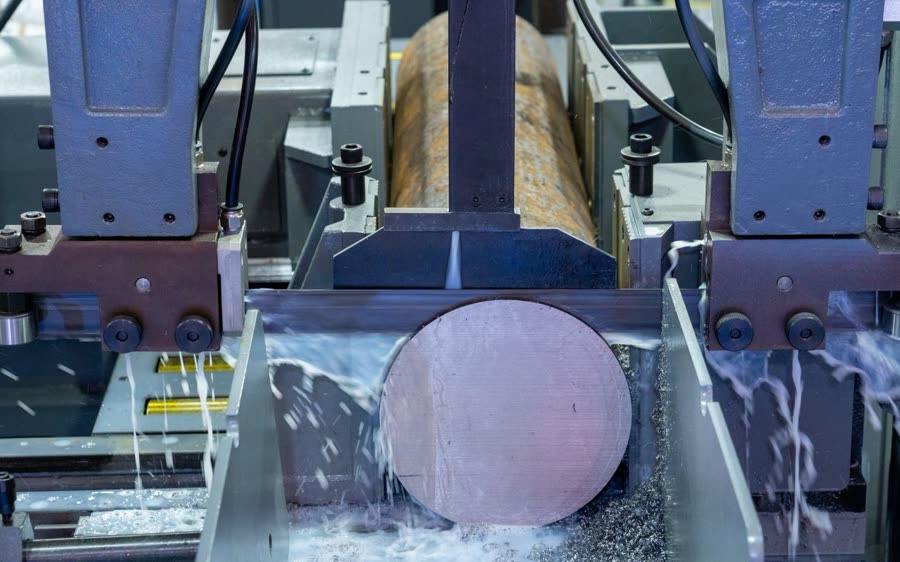
Bandsaw cutting a round steel bar under coolant

Carbon & Alloy Steel

Structural and wear parts, shafts, and hardened tooling.
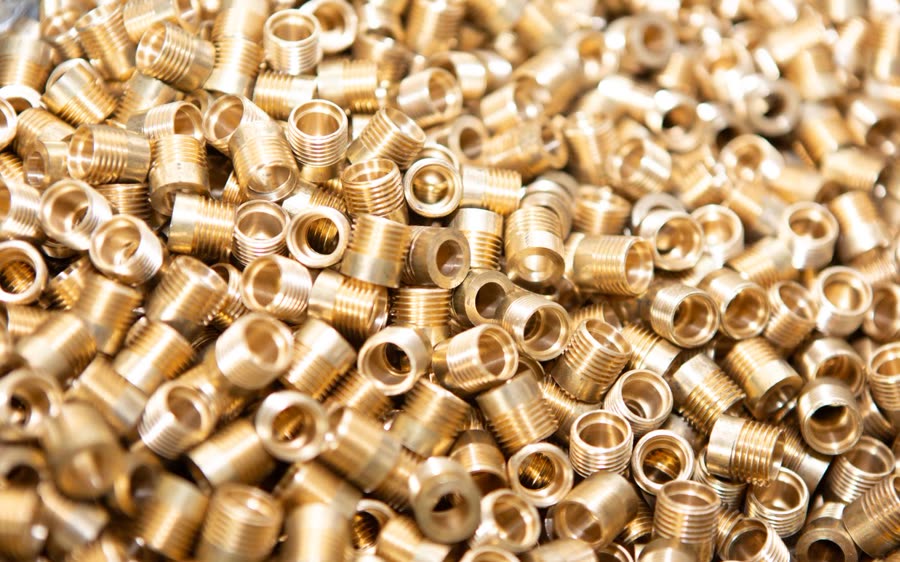
A pile of machined brass threaded inserts

Brass & Copper

Fittings, bushings, and electrical hardware.
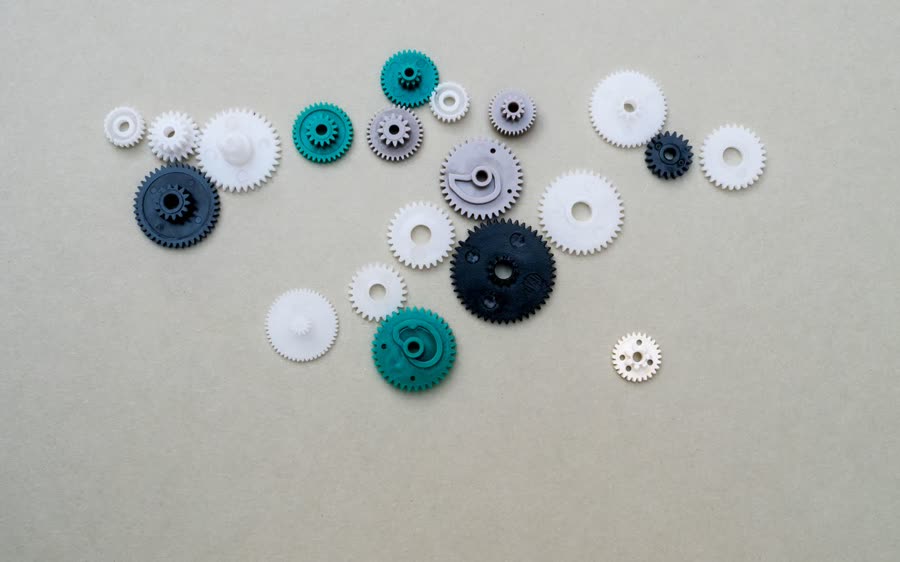
Plastic gears in teal, white, and grey

Plastics

Delrin, UHMW, nylon, and polycarbonate for wear pads, bushings, insulators, etc.

Stock and sourcing

We normally source material as part of the job, so you get one price and one lead time. Customer-supplied stock can be accomodated if it meets the job requirements. Needing something unusual is not a problem, it just needs to be flagged early.

Finishing

Parts can leave here anodized, galvanized, powder coated, painted, or bead blasted. Bead blasting and tumbling are done in-house. Other specialty coatings go through our partners, and we manage that step so you only have to deal with us.

FAQ

Before You Send a Print

What size of parts can you machine?

Milling up to 30" x 30" x 16" in a single CNC operation, with extreme flexibility for larger parts across multiple operations and in manual setups. CNC turning to a 14" swing over bed and 30" between centers. If your part sits near those limits, ask anyway.

What tolerances can you hold?

Tolerances are quoted per job, because what's achievable depends on the feature, the material, and how the part has to be held. Call out the critical dimensions on your drawing and we'll build the setup, tooling, and inspection around them. If a print doesn't specify, we'll confirm what we're working to before anything gets cut.

What file formats do you accept?

STEP and IGES models, SOLIDWORKS and Fusion files, and DXF, DWG, or PDF drawings. A hand sketch with dimensions works too, and so does the part itself if there is no drawing. Not sure what you have? Send it over and we'll sort it out.

Can I supply my own material?

Yes, and plenty of customers do when they have stock on hand or need a specific mill certification. Otherwise we source it as part of the job so you get one price and one lead time. Either way, flag anything unusual early, because material availability sets the delivery date more often than the machining does.

What drives the cost of a machined part?

Setup time, tolerance, material, and quantity, roughly in that order on a short run. The same geometry in two setups costs less than in four, a tolerance tighter than the function needs adds inspection and scrap risk, and a second part is cheaper than the first because the program and fixturing already exist. We'll tell you which of those is moving your number before you commit.

What lead time should I expect?

It depends on the part, the material lead time, and what is already on the machines, so we quote it per job rather than publishing a number which is always changing. Rush and overnight work is normal here, supporting you when a part has failed and a line is down. Give us the date you need and we'll be honest about whether it is possible.

Contact & RFQ

Send Us the Part

Attach a model, a drawing, or a photo of what you need. We'll come back with questions or a number, within a few hours for urgent work and within a day for others.

Request a Quote